

- Home
- Curriculum
- Reading at The John Warner School
Reading at The John Warner School
Our Ethos
The ability to read influences every aspect of a student’s education and future opportunities, shaping their ability to understand the world, express themselves, and succeed in life. For this reason, fostering a culture of reading within our school is vital to ensuring that every student has the skills they need to thrive both in and beyond the classroom.
The statistics speak volumes. Research by the National Literacy Trust shows that children with strong literacy skills are five times more likely to achieve above-average grades in GCSEs. Furthermore, students who regularly read for pleasure are likely to perform better across all subjects, including maths and science, due to their enhanced ability to process and analyse information.
Reading plays a key role in well-being and social participation. It helps to develop empathy, cultural awareness, and emotional resilience, equipping students to navigate the complexities of modern life. Studies by UNESCO suggest that reading regularly enhances mental health by reducing stress levels and improving focus and cognitive function.
Creating a culture of reading in our school is about more than improving grades; it is about igniting a passion for lifelong learning, discovering new worlds and ideas, then flourishing within their chosen pathways in life.
However, building this culture requires collaboration and participation between home and school. Encouraging reading at home, whether through shared family reading, creating dedicated reading spaces, or setting reading goals, amplifies the benefits of literacy instruction in the classroom. By working together, we can ensure that reading becomes a habit that enriches every aspect of our students’ lives.
For additional tips and resources on promoting reading at home and supporting your child’s reading journey, please explore the other sections of our school’s reading webpage. Together, we can make reading a cornerstone of success for every student.
Mrs Davenport
Reading Lead & Teacher of English
Supporting Reluctant Readers At Home
1. Create a Reading-Friendly Environment
Ensure books are always available and visible in your home. According to a study by Evans et al. (2010), homes with books positively influence children’s academic outcomes, regardless of socioeconomic background. Consider creating a “reading nook” or simply have books and magazines in shared spaces.
Example: Visit the library together and let your child choose books or graphic novels that interest them. Reluctant readers often respond well to visual storytelling formats like comics.
2. Model Reading for Pleasure
Children mimic behaviour. If they see you reading for enjoyment, they’re more likely to view reading as a positive activity rather than a chore.
Example: Set aside 20 minutes after dinner for “family reading time.” Choose your own book while they read theirs. Discuss what you’re both enjoying.
3. Use Technology Positively
Research by Baron (2021) shows that e-books and audiobooks can be effective tools for engaging reluctant readers. Audiobooks, in particular, improve listening and comprehension skills while building vocabulary.
Example: Suggest listening to an audiobook together during car journeys or while doing chores. Pair it with the physical book to reinforce word recognition.
4. Choose High-Interest, Accessible Texts
Many struggling readers benefit from texts tailored to their interests or ones written at an appropriate reading level. Experts like Louise Rosenblatt highlight the importance of “reader response,” where engagement with texts is enhanced through personal connection.
Example: If your child loves football, try sports-themed novels like Kick by Mitch Johnson or non-fiction like You Are a Champion by Marcus Rashford.
5. Celebrate Progress, Not Perfection
Acknowledging small wins helps build confidence and motivation. Educational psychologist Carol Dweck’s work on growth mindset demonstrates that praising effort and progress fosters resilience.
Example: If your child finishes a book, or reads consistently for a predetermined amount of time each week, reward their achievement with a special activity at the weekend or during the holidays.
6. Read Together—At Any Age
Even older children can benefit from shared reading experiences. Reading aloud fosters bonding, models fluency, and enhances comprehension, as shown in research by Trelease (2013).
Example: Take turns reading chapters aloud. Discuss characters or predictions to make it interactive and engaging.
7. Link Reading to Real-Life Experiences
Show your child how reading connects to their world. Contextual learning improves comprehension and helps make abstract concepts tangible.
Example: If you’re planning a holiday, explore travel guides together. If they enjoy cooking, encourage them to read and follow recipes.
8. Build Vocabulary in Everyday Life
Expanding vocabulary through natural conversation supports literacy development, as supported by Beck, McKeown, and Kucan’s work on vocabulary instruction.
Example: Discuss new words from books or everyday experiences. Play word-based games like Scrabble or Bananagrams as a fun alternative.
9. Encourage Peer Recommendations
Peers often inspire reluctant readers more than adults, according to Guthrie and Humenick (2004). Organise or join book clubs where children can share recommendations and discuss books.
Example: Ask if the school has a reading club, or encourage your child to swap books with friends.
10. Seek Guidance and Resources from School
Schools often have resources and expertise to support struggling readers. Working together ensures a consistent approach.
Example: Speak to your child’s teacher about their progress. They may suggest tailored resources or interventions like paired reading programmes.
Stretching and Challenging High-Ability Readers
Every child has the potential to become a confident reader. With patience, encouragement, and the right strategies, you can help them unlock their love of reading. Remember, every small step counts!
1. Introduce Advanced and Diverse Texts
Encourage your child to explore a wide range of genres, authors, and perspectives to broaden their literary horizons. Exposure to diverse texts builds critical thinking and empathy, as shown in research by Louise Rosenblatt’s transactional theory of reading.
Example: Suggest classic novels like Jane Eyre or modern literary fiction such as The Kite Runner. Non-fiction options like biographies or historical accounts can also offer intellectual stimulation.
2. Foster Critical Analysis
Challenge your child to question and interpret texts at a deeper level. Encourage them to think about themes, context, and authorial intent. This aligns with Bloom’s taxonomy, which emphasises higher-order thinking skills.
Example: Discuss why a character made certain decisions or how the author’s context shaped the narrative. Ask them to write or present their own analysis of a book.
3. Encourage Cross-Disciplinary Reading
Link reading to other areas of interest. Reading widely across subjects enhances cultural capital and prepares students for complex interdisciplinary thinking, as emphasised by the Sutton Trust.
Example: A science enthusiast might enjoy The Immortal Life of Henrietta Lacks by Rebecca Skloot, while a history fan could delve into Sapiens by Yuval Noah Harari.
4. Promote Independent Reading Projects
Allow your child to take ownership of their reading by creating independent projects. Research by Vygotsky highlights the importance of self-directed learning in extending understanding.
Example: They could explore a theme like “representations of power” by reading multiple texts across genres and producing a written or creative response, such as an essay, artwork, or presentation.
5. Introduce Literary Criticism and Theory
High-ability readers often benefit from exposure to literary theories to deepen their understanding of texts. This can help them engage with literature at an A-level or even degree level.
Example: Suggest beginner-friendly guides to literary theory, such as How to Read Literature Like a Professor by Thomas C. Foster. Apply concepts like feminism or post-colonialism to books they’re reading.
6. Encourage Creative Responses
High-ability readers often enjoy expressing their ideas creatively. Writing stories, poetry, or alternative endings to novels can deepen engagement while building writing skills.
Example: If they loved a book, encourage them to write a diary entry from a character’s perspective or a short sequel to the story.
7. Facilitate Discussion and Debate
Research by Alexander (2020) shows that dialogic teaching, where students engage in structured discussions, improves critical thinking. Extend this to your home by fostering discussions about books.
Example: Host a family “book club” where everyone reads the same book and discusses their interpretations. Debate themes like justice, morality, or the role of technology in society.
8. Integrate Technology Thoughtfully
Digital platforms can help stretch readers by providing access to challenging materials and communities. Use technology to supplement, not replace, traditional reading.
Example: Join online literary forums or book clubs, such as those on Goodreads, or explore apps like Blinkist, which summarise non-fiction texts for further exploration.
9. Connect Reading to Real-World Experiences
Encourage your child to see the relevance of reading beyond academic success. Real-world connections build deeper understanding and curiosity.
Example: If they read To Kill a Mockingbird, visit a local courthouse or discuss historical examples of social justice. For a non-fiction text on wildlife, visit a nature reserve or zoo.
10. Support Writing and Research Skills
Stretching high-ability readers often means encouraging them to create their own content. Researching and writing about topics of interest builds independent thinking and intellectual curiosity.
Example: Encourage them to write reviews, start a blog, or enter essay competitions like the Orwell Youth Prize or Foyle Young Poets.
Final Thought
Your role is to nurture a love of literature while encouraging intellectual curiosity and critical thinking. High-ability readers flourish when challenged to see the world from multiple perspectives. By offering diverse and meaningful opportunities, you can help them achieve their full potential.
Reading at Home
10 Ways Parents Can Help Their Child’s Reading at Home
1. Read Together
Set aside time to read aloud together, alternating pages or chapters. This models fluent reading and creates a shared experience, reinforcing that reading can be enjoyable and social.
2. Discuss What They’re Reading
Ask questions about the book’s plot, characters, or themes. Engage in discussions that encourage them to think critically and connect with the material. This deepens comprehension and reflection.
3. Set Realistic Reading Goals
Help your child set small, achievable reading goals, like finishing a chapter or a few pages per day. Small successes will build their reading stamina and confidence over time.
4. Provide Access to Audiobooks
Use audiobooks alongside the printed version of the text. This helps struggling readers follow along, improving their fluency, comprehension, and familiarity with difficult words.
5. Choose High-Interest Books
Select books that align with your child’s personal interests—whether that’s sports, history, science fiction, or graphic novels. The more engaged they are with the content, the more motivated they’ll be to read.
6. Create a Reading-Friendly Environment
Make a quiet, distraction-free reading area in your home. A comfortable and inviting space dedicated to reading encourages them to focus.
7. Use Reading Apps and Tools
Encourage the use of interactive reading apps or e-readers, like Kindle or BorrowBox, which offer features such as built-in dictionaries, making reading more accessible and engaging.
8. Break Reading into Small Chunks
If your child finds it hard to focus for long periods, suggest reading for short intervals (10-15 minutes) multiple times throughout the day. This prevents overwhelm while gradually increasing reading endurance.
9. Talk About Vocabulary
Focus on expanding vocabulary by discussing unfamiliar words encountered in reading. Use a dictionary together and integrate new words into daily conversations. Help them keep a vocabulary journal to track their progress.
10. Celebrate Progress
Regularly acknowledge their reading milestones—whether it’s finishing a book, understanding a tricky passage, or learning new vocabulary. Positive reinforcement boosts confidence and makes reading feel rewarding. Link their progress to tangible rewards, such as earning a special treat or activity at the weekend if they meet their reading goals for the week.
Literacy Terminology
Comprehension
Definition: Comprehension is the ability to understand the text’s meaning, including details, ideas, and deeper messages.
Examples:
- Ask questions that connect the story to real life: “The boy in the story was nervous about going to school. Have you ever felt like that? Why do you think he felt that way?”
- Have your child summarise the story: “Can you tell me what happened at the beginning, middle, and end of the book?”
- Encourage connections: “This character loves animals—do you remember another character from a different story who also loves animals?”
Fluency
Definition: Fluency is reading smoothly with correct pacing and expression, similar to speaking naturally.
Examples:
- Model reading by showing how your voice changes with punctuation. Try reading a sentence with a question mark or exclamation mark with appropriate intonation, then have your child try.
- Use a favourite story and ask them to read a paragraph several times, aiming to sound smoother and more expressive each time.
- Try “echo reading,” where you read a sentence and your child repeats it, focusing on pace and expression.
Decoding
Definition: Decoding is recognising letters, groups of letters, and their sounds to figure out how to read a word.
Examples:
- For short words, sound them out together: “Let’s look at the sounds in ‘sand’—/s/ /a/ /n/ /d/. Now, put them together!”
- With longer words, show them how to break down syllables: “Read this part of the word first. Now, read the second part, like ‘dis-’ and ‘cover.’”
- Point out familiar letter patterns like “-ing” or “-tion” and ask, “Can you find a word with the ‘-ing’ sound?”
Vocabulary
Definition: Vocabulary is the set of words a child understands and uses, which helps them express thoughts and understand others.
Examples:
- Encourage them to describe things in detail: “Instead of ‘big,’ what other words could you use to describe that dog?”
- Point out new words in everyday situations: “The flowers are wilting in the heat. Do you know what wilting means?”
- Reinforce words by using them in different sentences: “That’s a huge building! The building we saw yesterday was also huge, wasn’t it?”
Inference
Definition: Inference involves drawing conclusions from clues in the text rather than directly stated facts.
Examples:
- If a character is hiding behind a door, ask, “Why do you think they’re hiding? How are they feeling?”
- For non-fiction, if an article mentions a farmer checking the sky, ask, “What do you think he’s looking for? What might he want to know about the weather?”
- When the author describes a cold, dark room, ask, “What kind of mood does this create? How might the character feel in that room?”
Phonemic Awareness
Definition: Phonemic awareness is the ability to hear and manipulate individual sounds in words, an essential skill for decoding.
Examples:
- Play a game with rhyming words, like “bat” and “hat.” Ask, “Can you think of another word that rhymes with ‘bat’?”
- Clap out syllables with words: “Let’s clap to ‘sunshine’: two claps, ‘sun’ and ‘shine.’ How many claps does ‘elephant’ have?”
- Practice changing sounds in words, like saying “cat” and then changing the first sound to make “bat.”
Phonics
Definition: Phonics is the understanding of the relationship between sounds and their written letters, enabling word recognition.
Examples:
- Identify sounds together: Point to the letters “sh” in “ship” and say, “This makes a ‘sh’ sound. Can you find other words with this sound?”
- Play “word hunts” where they find words starting with the same sound in a book: “Let’s find words that start with ‘b’ on this page.”
- Use games with letter tiles to create new words, like changing “mat” to “bat” by swapping letters.
Prediction
Definition: Prediction is the skill of guessing what might happen next, helping children think ahead and engage with the text.
Examples:
- Before turning a page, ask, “What do you think will happen next?” For instance, in Goldilocks and the Three Bears, before the bears come home, ask, “What might they think when they see someone ate their porridge?”
- For non-fiction, ask what they think the section might explain based on the heading: “This says ‘How Bees Make Honey.’ What do you think we’ll learn here?”
- When reading about a problem a character faces, ask, “What would you do in their situation?”
Context Clues
Definition: Context clues are hints within the text that help readers figure out the meaning of unfamiliar words.
Examples:
- In a sentence like “The arid desert had no water for miles,” point out words like “desert” to help understand “arid” means dry.
- If the sentence says, “She skipped to the park joyfully,” ask, “What does joyfully mean? How does she feel about going to the park?”
- For challenging words, read the whole paragraph together and see if they can make an educated guess about the word’s meaning based on surrounding sentences.
Summarising
Definition: Summarising is retelling the main points of a story briefly, helping children organise and remember information.
Examples:
- After a story, ask, “What happened in just a few sentences? What was the most important thing that happened?”
- For non-fiction, have them summarise the main ideas: “What were the three things we learned about lions?”
- After each chapter, ask for a summary to reinforce what’s happened so far, helping them keep track of the plot.
Text Structure
Definition: Text structure is how information is organised in a text, including things like headings, chapters, or sequence.
Examples:
- Point out chapters in a book: “The book is divided into chapters to show different parts of the story. This one is about how the character first finds the map.”
- For non-fiction, look at headings and subheadings: “This section is called ‘The Life Cycle of a Butterfly’—so it’s all about different stages.”
- Use a cookbook to show a “step-by-step” structure and explain why each step must be followed in order.
Retelling
Definition: Retelling is when a child describes the story back in their own words, showing that they’ve understood and remembered the details.
Examples:
- After reading a story, have them tell it to you or to a sibling: “Can you tell me what The Three Little Pigs was about?”
- For a chapter book, ask for a retelling after each chapter: “What just happened with the main character? Why is this important?”
- For non-fiction, after reading a section, ask them to explain the main points: “So, how does a caterpillar become a butterfly?”
Reading Lists by Genre
Staff and Student Reading Recommendations (TJWS staff reviews)
Mr Sheppard - Precipice - Robert Harris
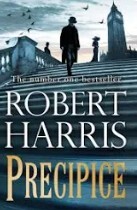
Precipice by Robert Harris is a gripping political thriller set in 1914 that follows a young Foreign Office clerk who stumbles upon evidence of a conspiracy that could plunge Europe into war. Harris masterfully builds tension as his protagonist races against time through the corridors of power in London and across the Channel to Paris, trying to prevent catastrophe while navigating the treacherous world of international diplomacy. The novel brilliantly captures the atmosphere of impending doom on the eve of World War One, exploring themes of duty, courage, and the devastating consequences of political miscalculation. With its fast-paced plot, vivid historical detail, and thought-provoking questions about how individuals can make a difference in the face of seemingly inevitable disaster, Precipice offers both an exciting adventure story and a sobering meditation on how the world stumbled into one of history's greatest tragedies. It's an accessible and engaging read that will appeal to anyone interested in history, spy fiction, or simply a well-crafted page-turner that makes you think about the choices leaders make in times of crisis.
Miss Dane - A Different Sort of Normal, by Abigail Balfe
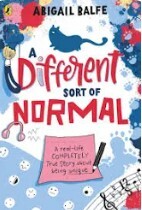
As a teacher, I think it's really valuable for young adults to read stories that help them understand themselves and the world better. 'A different sort of normal' is written by Abigail Balfe and isn't a story, its real life, about her growing up in a neurotypical world as a young person with Autism. Abilgail was not diagnosed until she was an adult and rather than it feeling like a problem, it helped her find the missing pieces of the puzzle. The book reads just like her brain, with stories, facts, it goes off at a tangent at times and comes back again, it is deeply honest and also funny, and it has a lot of cats in it! Not only did I really enjoy reading it, it really helped me understand the struggles that neurodivergent children, young people and adults can have. There is so much pressure to fit in... We spend so much energy trying to figure out where we belong. That’s why I believe everyone—whether you're neurotypical or neurodivergent—needs to read A Different Sort of Normal.
Mrs Davenport - Chinese Cinderella by Adeline Yen Mah
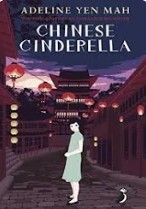
An inspirational and heart rendering story charting a young girl's bad luck in life, growing up within the confines of her family's pre-determined life which is disrupted by her love of writing. Much to her father's disapproval she continues down an academic pathway to realise not only her full potential, but to discover who she is and can be despite cruelty and enduring suffering as an unwanted daughter.
Miss Brenton - The Midnight Library by Matt Haig
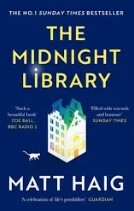
I loved this book and found myself thinking about it even after I had finished it. The Midnight Library is about a woman named Nora Seed who, after feeling full of regret, finds herself in a magical library between life and death. There, she is given the chance to live out countless other versions of her life by stepping into books that represent different choices she could have made. It makes you as a reader want to live life to the full, but also that happiness is often found not in achieving an ideal life, but in finding peace in the present.
EXAMPLES
Life of Pi by Yann Martel (recommended by Miss Brough)
I loved Life of Pi because it masterfully combines a unique storytelling structure with profound philosophical exploration. The philosophical issues raised—like the nature of faith, survival, and truth—were thought-provoking, and the way it is paired with a child's humorous narrative made it a unique read. Pi's extraordinary resilience and ingenuity in the face of impossible odds were inspiring, showcasing the strength of the human spirit. The relationship between Pi and the tiger, Richard Parker, was especially compelling—both a tense struggle for dominance and a profound connection born out of their shared plight. Together, these elements made the book not just a survival story but a deeply moving and unforgettable exploration of life's mysteries.
Noughts and Crosses by Malorie Blackman (recommended by Miss Price)
This whole series of books is my favourite of all time. The complete flip of historical social ideas really leave you thinking and is so powerful to consider just how divisive the world can be. However in all of the unhappiness and inequality, there are still people willing to fight for the rights of all people and that is so important. There are connections to the past throughout but so many of the storylines are relevant for the modern day too. They are such a well written collection of stories, brilliantly paced and you get so attached to every single character.
Pet Semetary - Stephen King (recommended by Mr Dixon)
I was first recommended Pet Semetary as a young teenager, a small while after a bereavement in my family. A fairly short horror book at its face covering loss, grief, and nature. Its suspense kept me engaged and the fairly casual, conversation-like writing of Stephen King made it easy to read. It ended up teaching me a lot about the natural path of life along with teaching me through some of its deeper messages about treasuring what you have and looking after it.
Reading Fluency Programme (HFL programme of study over 8 weeks)
What is reading fluency?
Reading fluency is defined as being a combination of automaticity, accuracy and prosody.
When a reader can apply these three components to a text which is appropriately pitched for them, then they can be described as a fluent reader.
Reading fluency matters
The National Literacy Trust estimates that approximately one quarter of children left primary school in 2022 unable to read at the expected standard.
Gill Jones, Ofsted Deputy Director for Early Education says, “If pupils are not able to read to an age-appropriate level and fluency, they will be incapable of accessing the rest of the curriculum, and they will rapidly fall behind their peers.”
Reading fluency for better learning
Successfully adopted by UK-wide institutions since 2017, HFL Education’s evidence-informed reading intervention is designed to support struggling readers to make swift progress towards reaching age-related expectations. The transformational teaching strategies used in the project are based on a combination of well-evidenced methods.
HFL Reading Fluency Project CPD and training
Our Reading Fluency Project works to significantly improve outcomes for pupils and is designed to help equip teachers to improve fluency and comprehension in a short space of time, across primary and secondary phases of education. The suite of key stage specific projects are based on a combination of well-evidenced strategies including:
- modelled expert prosody
- repeated reading
- echo reading
- text marking
- performance reading
- modelled comprehension
Link to EEF – Reading Fluency Glossary
Little Wandle Code Programme
https://www.littlewandle.org.uk/
At TJWS we support students in their reading journey starting with closing any phonics gaps using the Little Wandle Code Programme.
Phonics interventions
Students unable to decode efficiently will struggle to read with comprehension or
enjoyment. Supporting any student to develop a secure knowledge of the alphabetic
code needs to be a priority for school leaders to ensure students can access the KS3
curriculum successfully.
Little Wandle Code offers three different pathways for students identified as requiring
support with early reading: Start the Code (students who are new to English or have
significant gaps in phonics); Grow the Code (students who have large gaps in phonics);
and Complete the Code (students who have some gaps in phonics). Students are
matched to the correct pathway by the diagnostic assessment.
Teach reading:
change lives!
Little Wandle Letters and Sounds Revised is the fastest growing Department for Education-validated phonics programme, already supporting over 5,500 schools to teach every child to learn to read!
The complete phonics programme also draws on the latest research into how children learn best; how to ensure learning stays in children’s long term memory and how best to enable children to apply their learning to become highly competent readers.
D.E.A.R
‘Drop Everything and Read’ is a weekly form task where students read a non-fiction article using The Day newspaper. Articles are topical based on: global, national, cultural, geographical, environmental, historical and sporting events, providing our students with an awareness of their own cultural capital, heritage and understanding of current affairs.
This is teacher-led during registration time once a week where reading skills such as prosody and fluency are taught to establish a good comprehension of the article. Students are encouraged to ‘mimic’ this reading skill around the classroom.
An extract from a D.E.A.R article:

Carnegie Club

The Carnegie Club is a weekly event, with a group of students who all share a common interest in reading the Carnegie nominated books, all within a specific time frame. This prestigious award entails a shortlist of books released in March, then read by students. Nominations are then given and the winner of the Carnegie medal is announced in June.
https://carnegies.co.uk/about-the-awards/history-of-the-medals/
Reading Strategy
The school's multifaceted approach to promoting a reading culture encompasses strategic curriculum integration, targeted interventions, and a variety of initiatives to engage both students and staff in a shared commitment to the joy and benefits of reading.
Please click on our link to the reading strategy to find out more about how our interventions, faculty of English and cross-curricular strategies are promoting a positive reading culture.
